
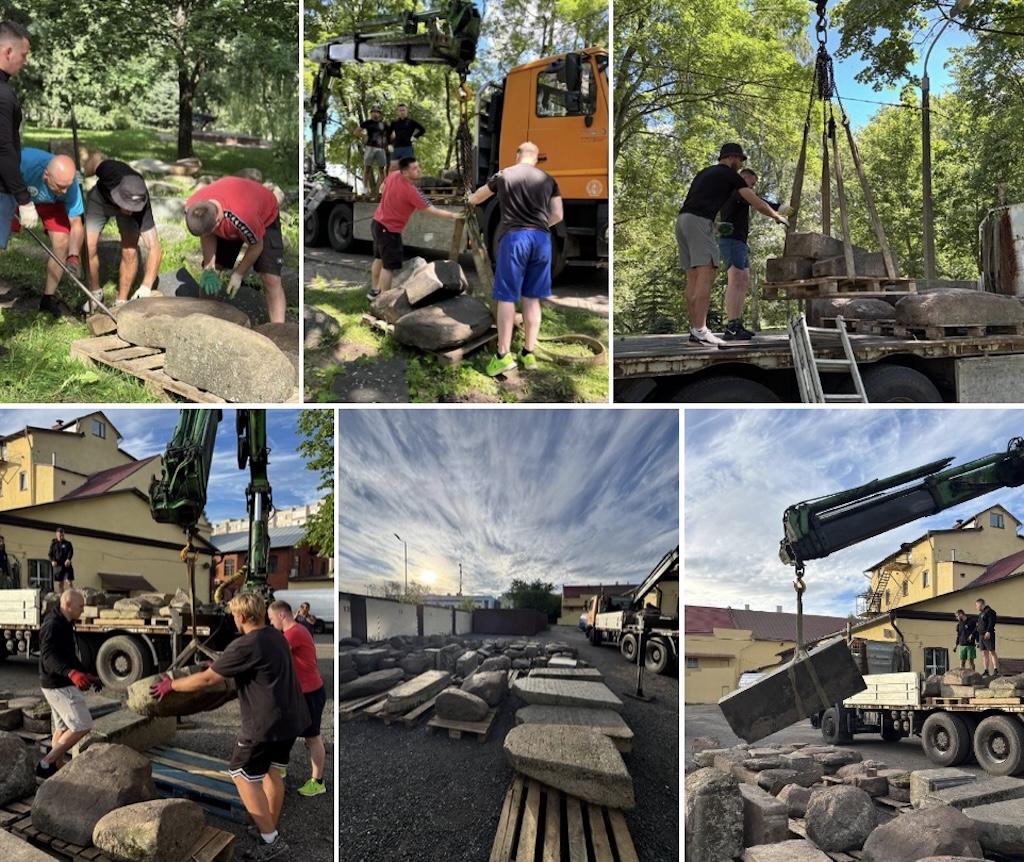
About 250 matzevot that have been removed from the Jewish cemetery on Sukhaya Street in Minsk will be cleaned, documented, and returned to the cemetery, where a lapidary monument will be created with them.
“The lapidarium will be a place where visitors can touch history and honor the memory of the people buried here,” local authorities said in a post on Telegram.
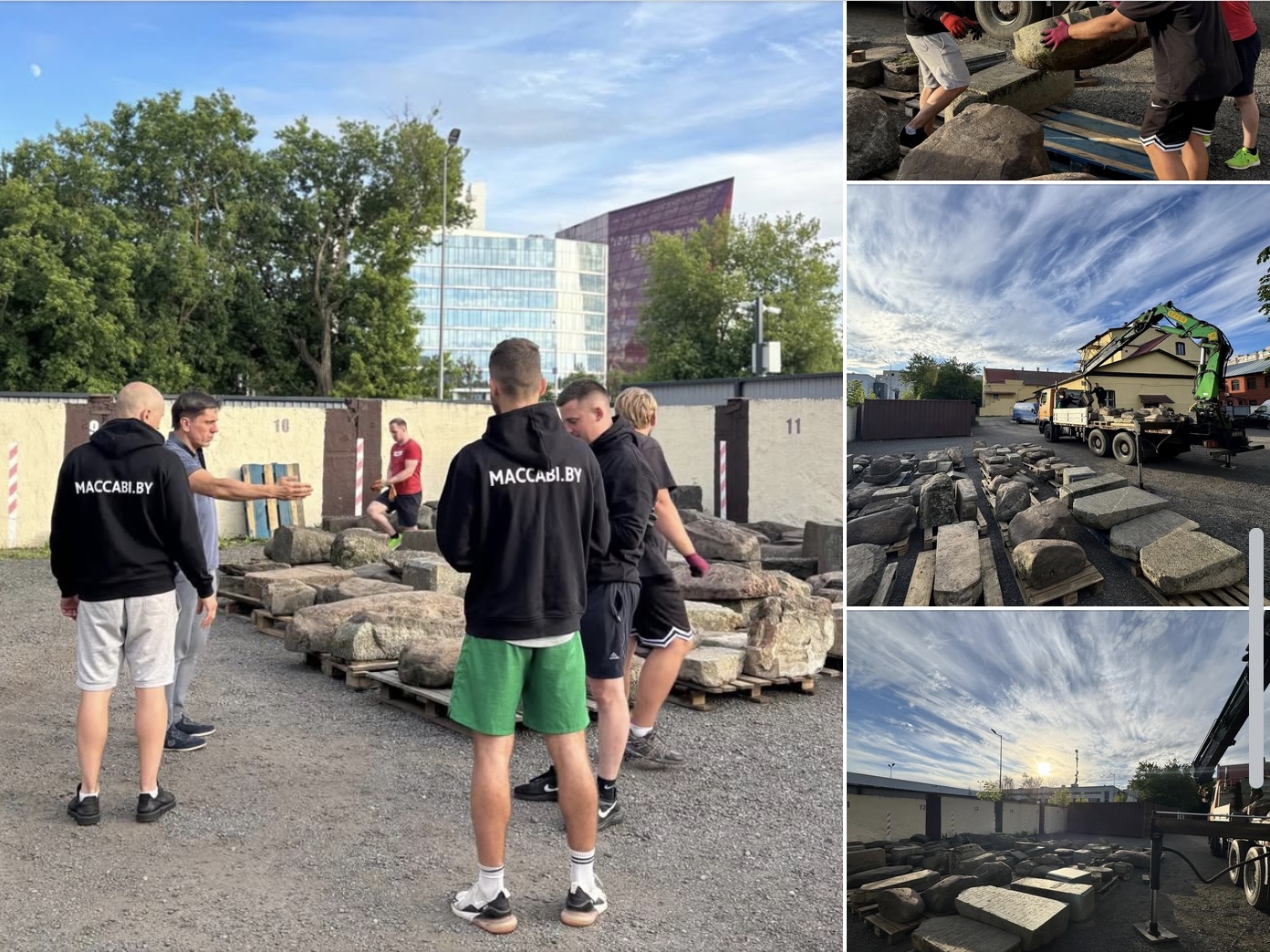
The local Makkabi group posted on its Facebook page that its members, with the aid of heavy equipment, had removed the gravestones on June 23 and 24 and taken them to the main synagogue.
“The stones will be cleaned, described, and cataloged,” it said. “Later, on their basis, a lapidarium will be created – a memorial that will preserve the memory of this place.”
The cemetery, founded in 1868, was within the Nazi WW2 Ghetto and was the scene of mass executions. The Soviet authorities closed it down in the 1950s, and the headstones were removed and used for construction.
“Around the 1970s, the Jewish cemetery was gradually completely demolished: all gravestones were removed, and the city built a stadium on part of the site,” Centropa writes in an Audiowalk of the site. “Plans for further buildings, such as cinemas and a dancing club, were stopped by the initiative of the Jewish community in the 1990s.
For the past decades it has served as Memorial Square, with several monuments along with matzevot and fragments that were found around the city and brought back to the cemetery, where they were placed at random.
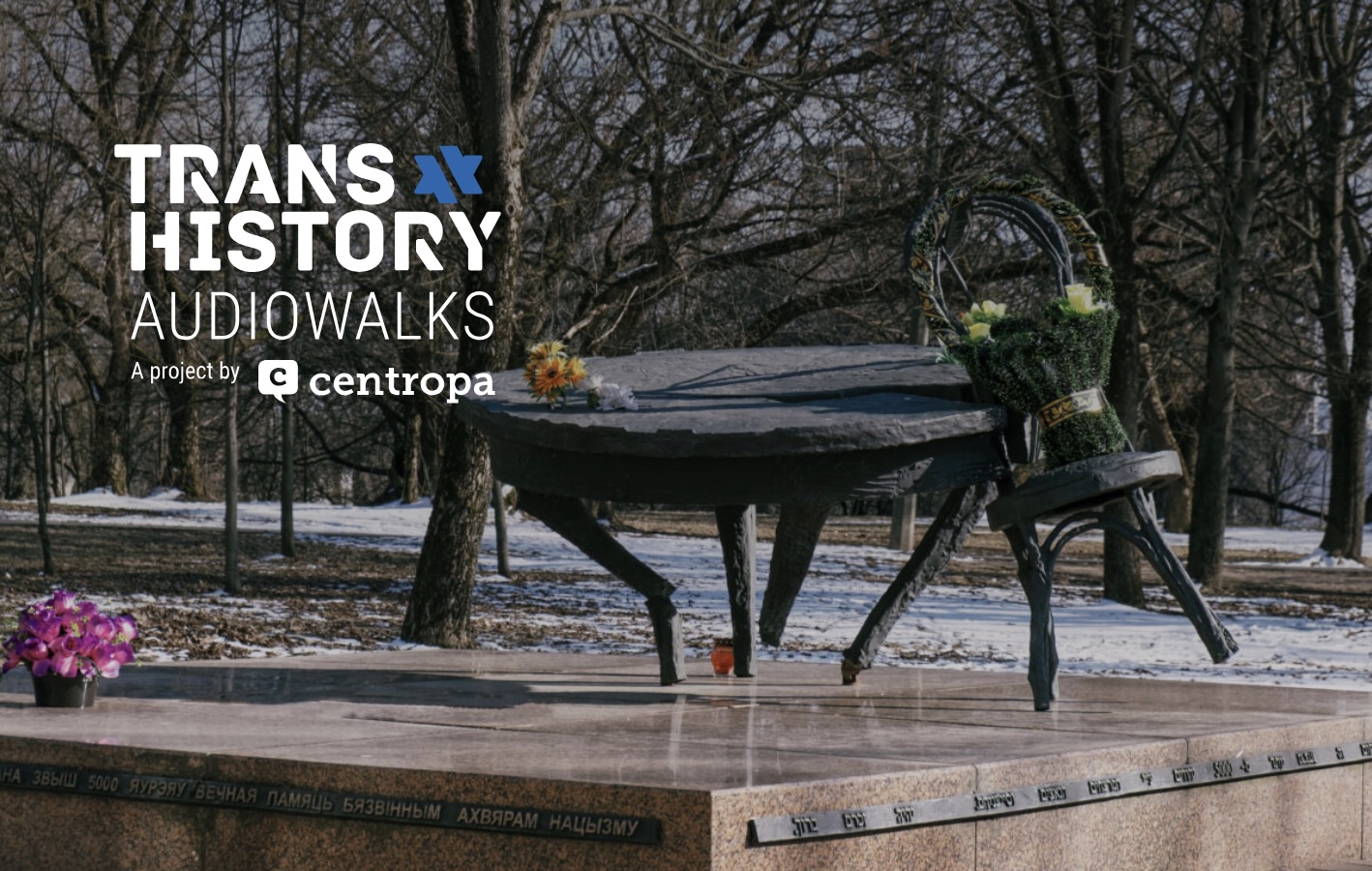
The sculptural monument called Broken Hearth was erected in 2008, on the 65th anniversary of the destruction of the Minsk Ghetto. Designed by the architect Leonid Levin and sculptor Maxim Petrul, it evokes a destroyed home, with the representation of a smashed table and chair.
There is also a grouping of memorial stones, begun in 1993, that commemorate Jews from European cities deported by the Nazis to the Minsk ghetto.
The current project to remove, clean and document the matzevot and then create a lapidarium at the cemetery site is supported by the Jewish community and city officials. Local authorities said discussions about it had been going on since April.
“At the cemetery, the slabs were scattered chaotically,” the web site Nasha Niva quoted Belarus Chief Rabbi Mordechai Reichinstein as saying. “There is no connection between the location of a slab and the slab itself, and there is no guarantee that they would be preserved in such a case. The creation of a memorial is the only way to decently preserve the historical evidence.”
See the Makkabi Facebook post, and pictures