

Latest news
The restored wooden synagogue in Alanta has reopened as part of the Molėtai Regional Museum. It will serve as a venue for exhibitions and cultural events. The small, simple synagogue, which was used ...
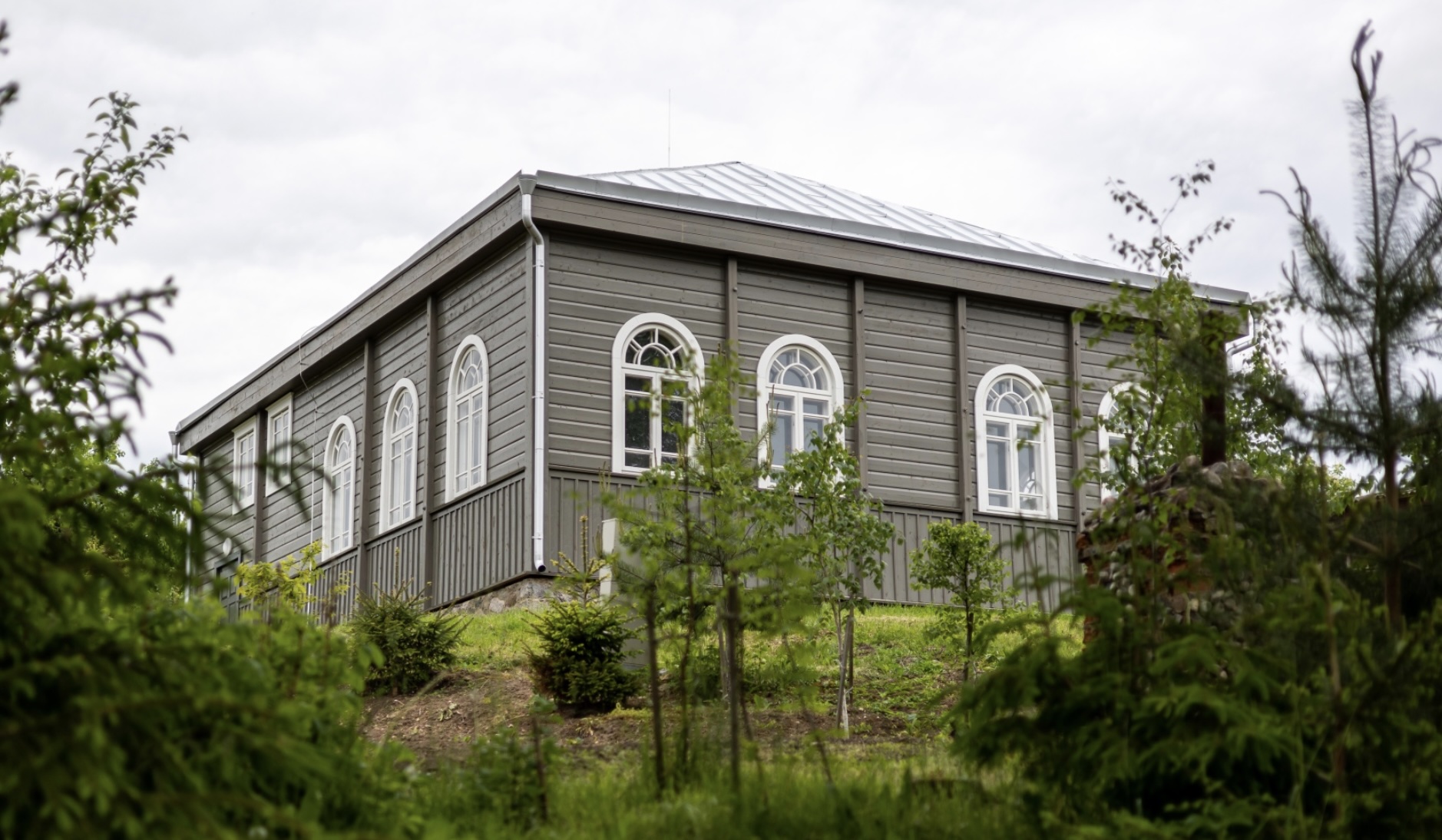


Lithuania update: The restored wooden synagogue in Alanta opens as part of the Molėtai Regional Museum
The restored wooden synagogue in Alanta has reopened as part of the Molėtai Regional Museum. It will serve as a venue for exhibitions and cultural events. The small, simple synagogue,
JHE in italiano: sommario settimanale
Ecco il sommario in italiano delle nostre notizie dal mondo dei beni culturali ebraici Ungheria: il caratteristico cancello a forma di salice piangente del più celebre monumento in stile
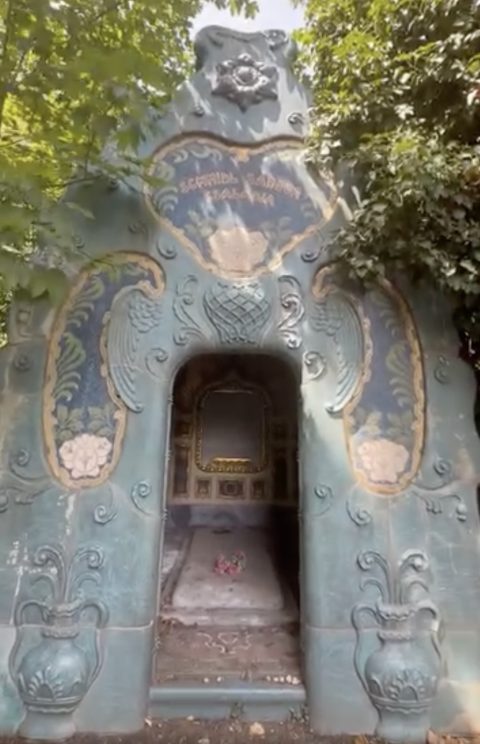
Hungary: distinctive “weeping willow” gate from the most famous art nouveau tomb in Budapest’s Kozma utca Jewish cemetery has been removed – apparently stolen?
The distinctive “weeping willow” gate from the most famous art nouveau tomb in Budapest’s Kozma utca Jewish cemetery has been removed. Apparent online evidence suggests it could have been stolen.
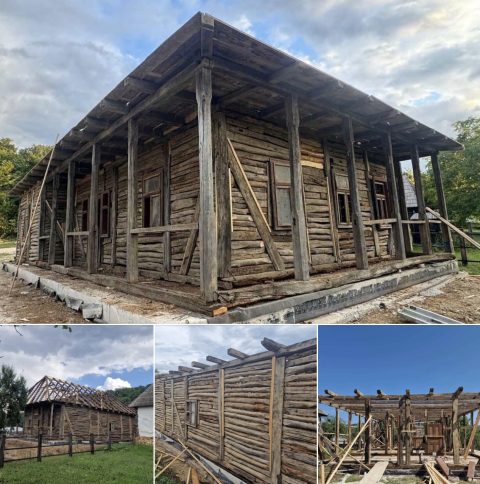
Romania: A former Jewish house from a small village is being installed in an open air ethnographic park, where it will include an installation commemorating Holocaust victims by noted Israeli sculptor Belu Simion Făinaru
An open air ethnographic museum in Transylvania is installing a former Jewish house from a small village in northwest Romania. Once reconstructed on site, it will include an installation by
