

The Czech-German Fund for the Future has allocated 450,000 Czech crowns (approx €18,000) for rescue and restoration work at one of the oldest and most important Jewish cemeteries in the Czech Republic, the Jewish cemetery in Polná.
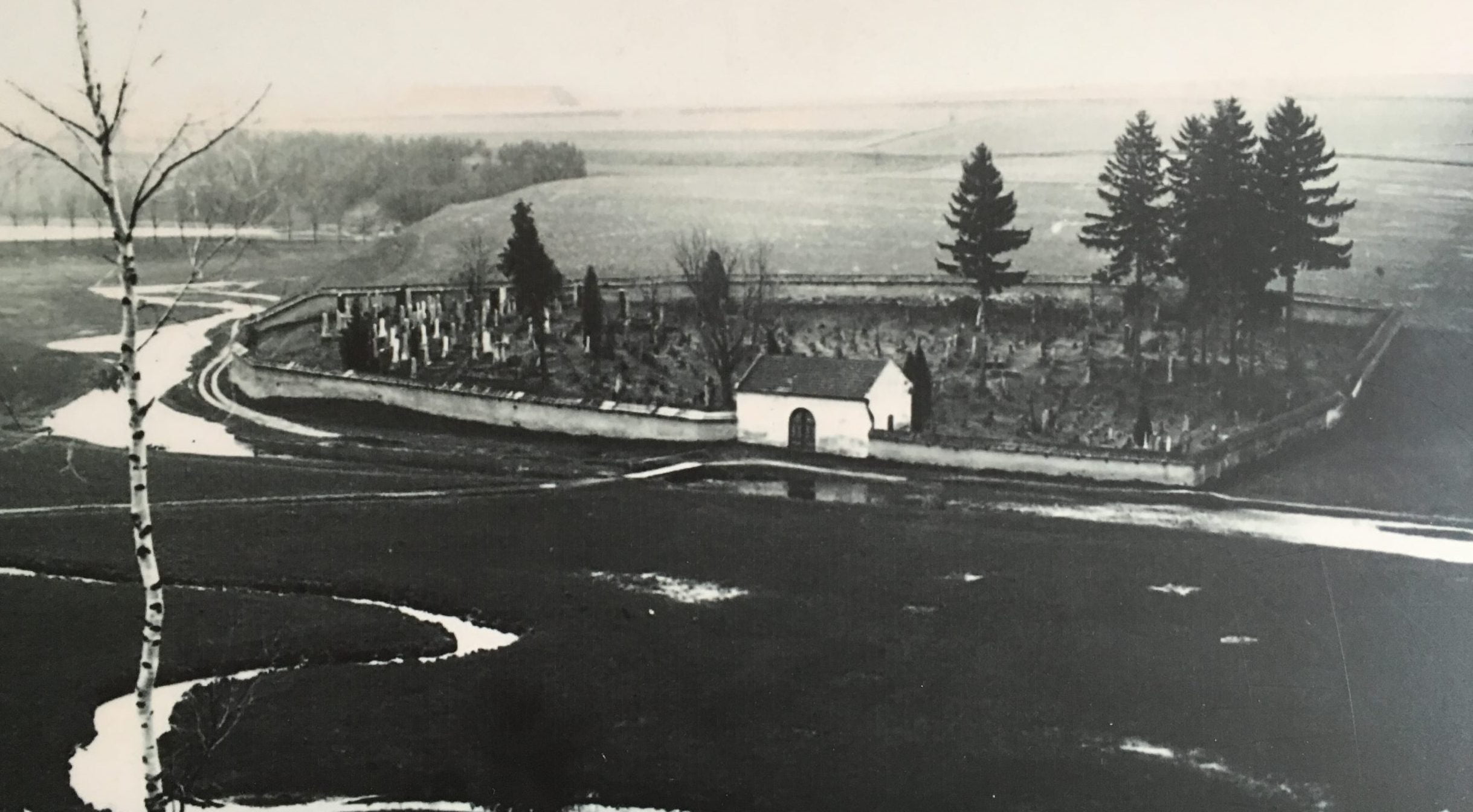
The walled cemetery, located outside of town near the bank of the Šlapanka River, has more than 1,100 gravestones, with the oldest legible matzevot dating from the 17th century. Many of the older stones feature striking baroque or classicist ornamental carving.
Announcing the grant, the Fund said that deteriorating conditions had damaged many gravestones “and, in addition, due to erosion on the graves, their decoration and inscriptions gradually disappear.”
It said the Jewish community in Prague has so far managed “to repair and secure about 1/4 of all damaged tombstones,” and building on this work, “the aim of the project is the complete rescue and conservation of all damaged tombstones.”
The Jewish cemetery is a key component of an important Jewish heritage complex in Polná. The well-preserved old ghetto area (Karlovo náměstí) comprises two areas and includes 32 houses, with a rabbi’s house and 17th century synagogue.

The synagogue and rabbi’s house, which also includes a “winter shul” and mikvah, have been restored and refurbished as part of the 10 Stars project. Polná was the scene of the infamous Hilsner blood libel case in 1899, and the 10 Stars permanent exhibit focuses on that case and anti-Semitism in general (as well as on general local Jewish history).
The German-Czech Fund for the Future was created by the governments of the two countries in 1997 as an endowment fund based in Prague. Since 1998 it has made a total of almost €63.5 million available for around 11,600 projects.
List of burials, names, dates in the cemetery on the Project Kešet web site
See our photo gallery of Polná