Jewish Heritage Europe

Austria: Using QR Codes to provide information on Jewish gravestones and the people they commemorate. A significant — and painstaking — project

Today’s visitors to Jewish cemeteries are often frustrated by their inability to read the Hebrew inscriptions on the gravestones. In Eisenstadt, Austria, this has been remedied by the attachment of stickers with QR codes to each matzevah in the city’s … continue reading →
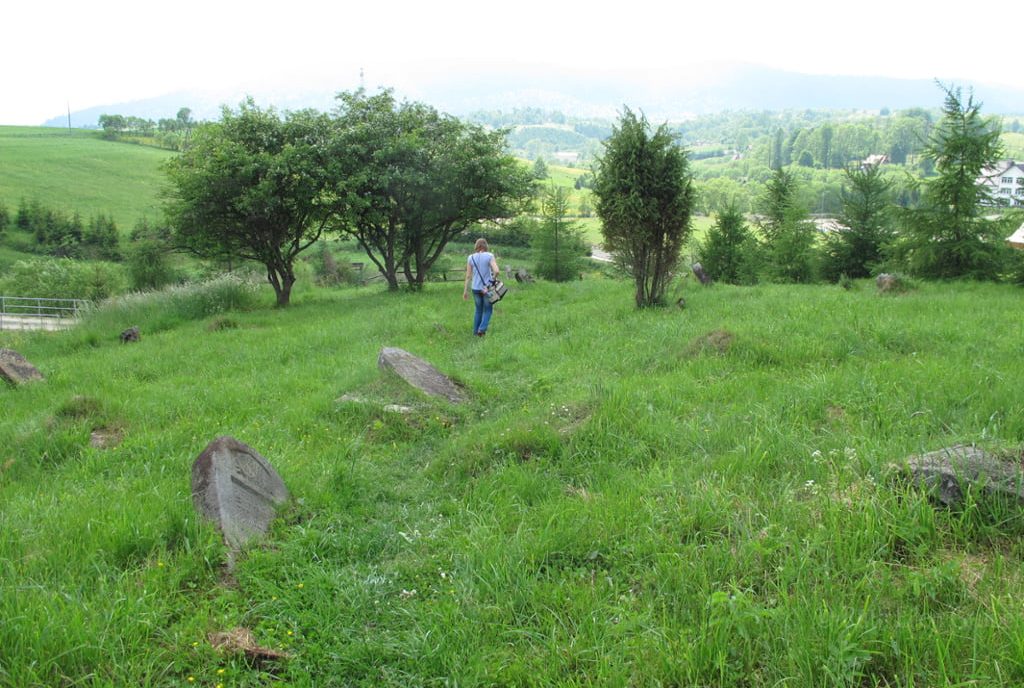
Poland: App launched to help volunteers (including tourists) document “forgotten cemeteries” (of all denominations) in Poland

Poland’s Cultural Heritage Foundation, in cooperation with technology company Laboratorium EE, has launched an app aimed at encouraging (and enabling) the volunteer documentation of abandoned, neglected, and/or remote Jewish and other cemeteries in Poland and elsewhere — by tourists and other … continue reading →

Russia: Jewish heritage along the Volga River — the preliminary report from a 4,000-km research trip by the Center for Jewish Art is available online

This past Spring, researchers from the Center for Jewish Art carried out an epic, more than 4,000-kilometer journey along the Volga River researching Jewish material heritage. The preliminary, 63-page report from the trip is now available online. The team, led … continue reading →

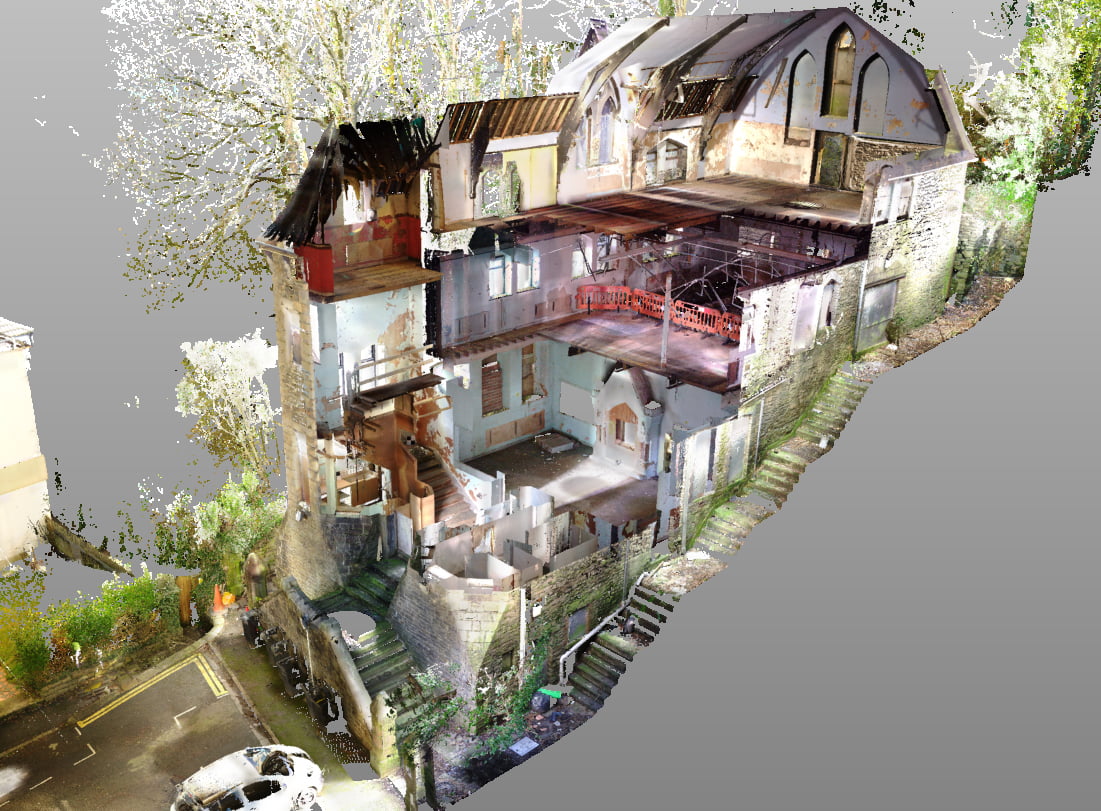
UK: Detailed laser scan carried out of the former synagogue in Merthyr Tydfil, Wales. Latest step in project to restore the building and create a Jewish Heritage Center

A comprehensive laser scan of the 19th century former synagogue in Merthyr Tydfil, Wales has been carried out, as a major step in the ongoing long-term project to restore the site and create a Welsh Jewish Heritage Center. Dating from … continue reading →

Slovakia: Exciting discovery of hundreds of centuries-old matzevot from the Old Jewish Cemetery in Bratislava, demolished nearly 80 years ago. They had long been presumed lost or destroyed.

(JHE) — In a remarkable discovery, hundreds of gravestones from the destroyed old Jewish cemetery in Bratislava have come to light. Dating mainly from the 18th to the early 19th century, they were found piled up in a neglected and … continue reading →