January 27, the anniversary of the liberation of Auschwitz-Birkenau in 1945, is marked in many countries as International Holocaust Remembrance Day. It is an occasion for commemorative ceremonies, educational programs, and other initiatives. Monuments and memorials are also dedicated or form centerpieces for commemorative events.
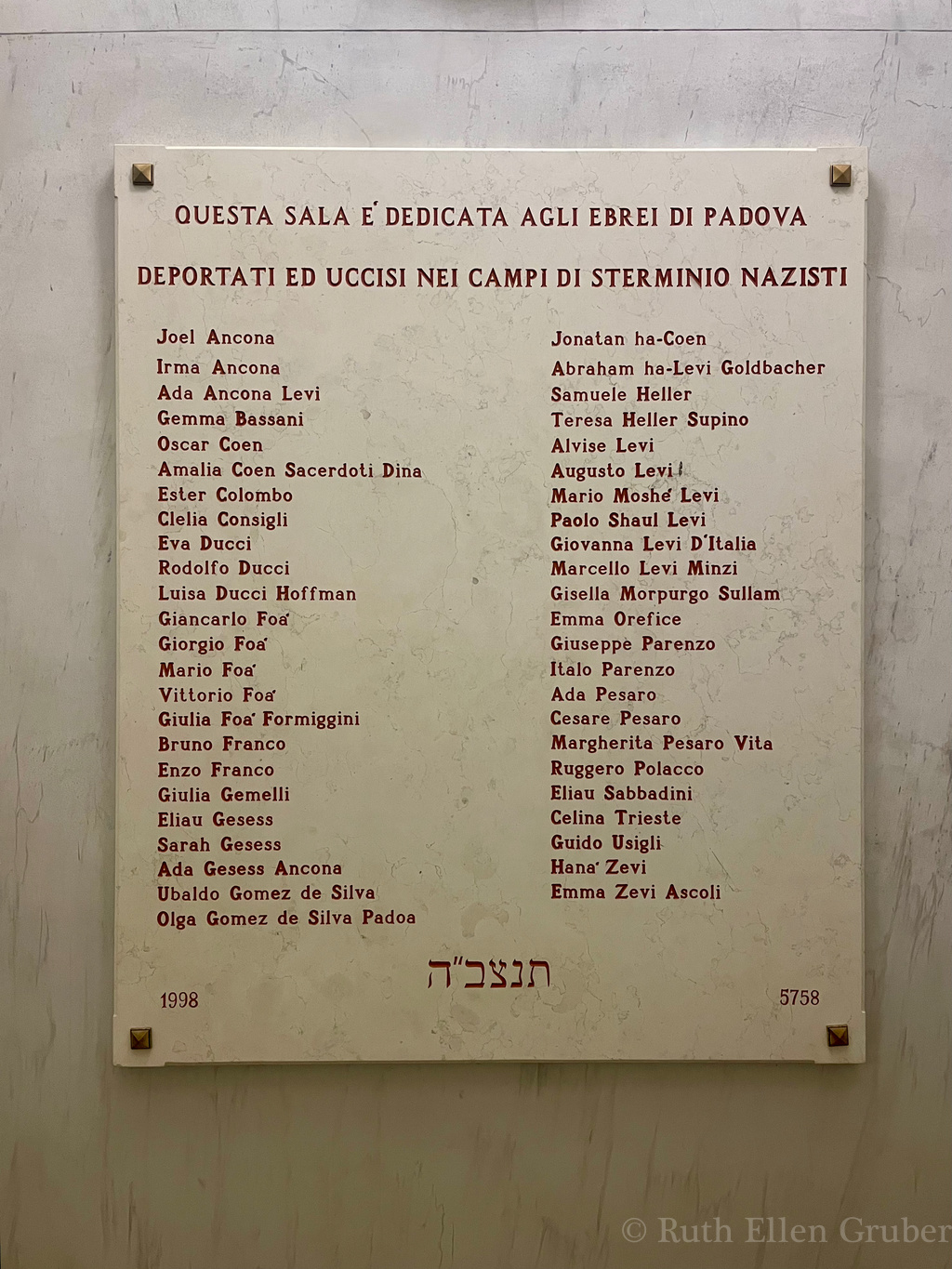
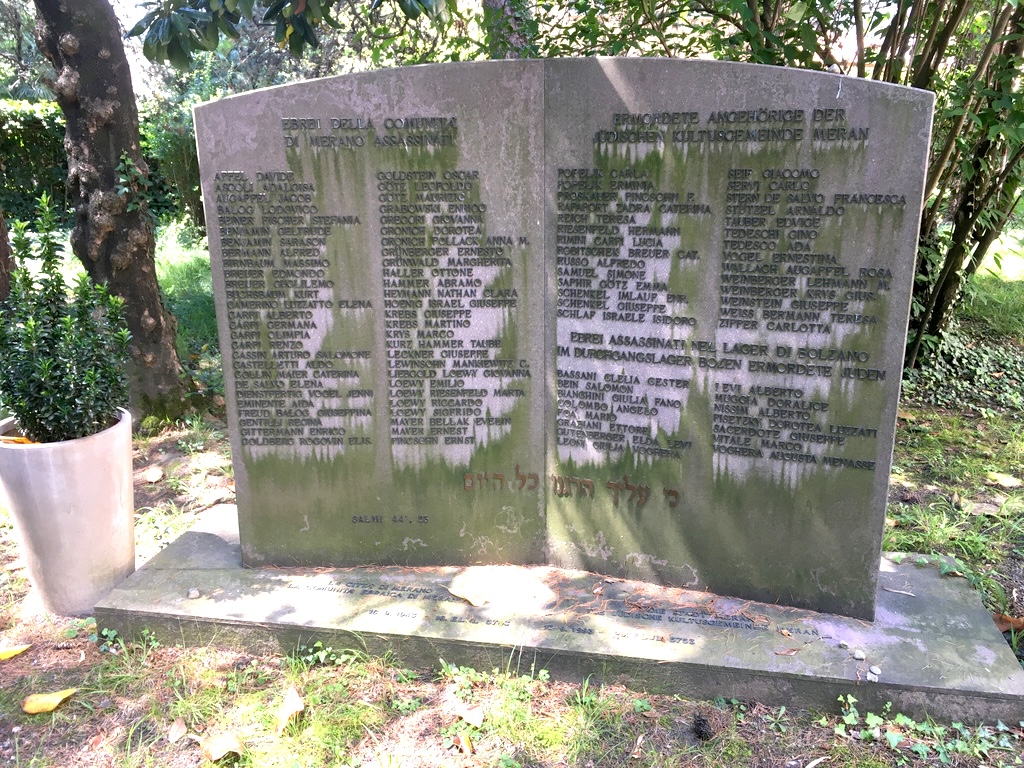
At JHE, we usually mark the occasion with a photo essay of Holocaust memorials in Europe — emphasizing memorials that place attention on the names of the victims or otherwise personalize the Holocaust by bringing home the fact that each of the millions who died was an individual: they name names and sometimes provide other information, in this way keeping alive the memory of those who were murdered — and the living Jewish worlds, stretching back generations, that were destroyed.
A few years ago, we put together this video highlighting such monuments:
In addition to posting images, we also want to again focus attention on an online project that was launched a a few years ago — a Holocaust Memorial Monuments Database (HMMD) aimed at creating a comprehensive digital inventory and history of Holocaust memorial monuments worldwide. (JHE’s Ruth Ellen Gruber plays an advisory role in its development.)
It will be an essential resource for commemoration, research, and education.

The HMMD is a partnership project of the Center for Jewish Art, Hebrew University of Jerusalem; the Sue and Leonard Miller Center for Contemporary Judaic Studies/The George Feldenkreis Program in Judaic Studies, University of Miami, Florida; and the International Survey of Jewish Monuments, Syracuse, New York.
To date, nearly 3,000 Holocaust Memorial Monuments, from many countries, have been added. (There may be a total of 10,000 or so worldwide.)
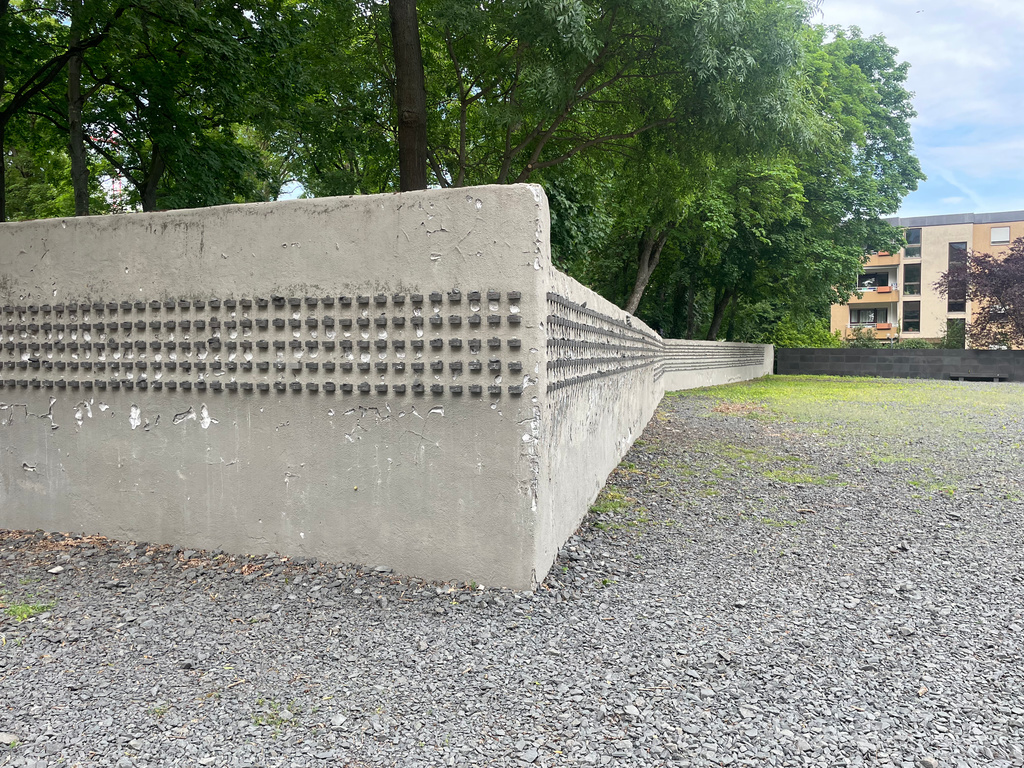
Some are sculptural, some are simple plaques. Some were designed by noted artists; most are anonymous. Some are located in Jewish cemeteries, or at synagogues. Some are in sometimes prominent public places. Some are connected with museums or exhibits. Some have descriptive or commemorative text, in various languages.
Some — as we present in this photo essay — are primarily lists of the names of victims. Some combine various forms.
You can search for monuments by Location, Type, Setting, Artist, Iconographical subject, Textual content, and Completion date.
In addition, there is a map of locations so far covered, as well as a link to a growing bibliography and other resources about Holocaust monuments and commemoration.