

Applications are open for presentations at the 2023 conference of the International Association of Jewish Genealogy Societies, which will be held in London July 30- August 3.
The 43rd International IAJGS conference will be the first in-person IAJGS annual meeting since before the pandemic.
The proposal submittal deadline is 11:59 U.S. Eastern Standard Time on 15 January 2023.
Organizers have identified a series of Themed Tracks to link various presentations throughout the Conference, though other topics in Jewish genealogy may be proposed.
The Tracks are:

UK and Commonwealth Track: The diverse heritage of Jewish families in the UK can be traced back many centuries and includes communities across England, Wales, Scotland, and Ireland. This track may include the many Jewish families who made their way to the former British Empire, including Canada, Australia, New Zealand, South Africa, Jamaica, India, and many more!
Jewish Communities Worldwide and the Shoah Track: We research our ancestors’ lives in many parts of the world – not just Eastern Europe and the Middle East. This track is for presentations about Jewish communities and families around the world and the ongoing vital preservation of history and memory of the Holocaust.
 Migration Track: This track is for presentations about where our families came from and where they went, how they emigrated and transmigrated to various countries, and how they reached their destinations. Presentations on shipping and train routes and passenger and citizenship records are encouraged.
Methodology Track: Many skills are needed for undertaking genealogical research, including finding and sourcing information, translating from a range of languages, and approaching potentially ethically and historically complex material. This track is for presentations that focus on techniques that assist Jewish genealogists in their research at any level.
Technology/ Computer Lab/Workshop Track: This track is for presentations about the utilization of computer-based technology that can enhance our family history. It may include specific websites, databases, family history software, or guidance on record and materials preservation.
DNA Track: DNA testing has now been available to family historians for some years and enabled us to make connections between the past and present, as well as find new or lost family members. This track is for how to use DNA in your research and the results of new research studies which shine a light on how the past impacts present-day Jewish demography.
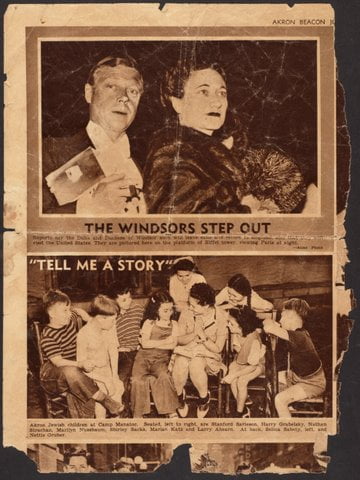 Storytelling Track: Stories are an important part of our genealogical history, both those shared and those identified through research. They can range from stories of family life in ancestral towns to the experience of immigration to life in a new country and even those of previously unknown family members through DNA. This track will focus on discovering, telling, and preserving these family stories.
If you have an innovative idea for programming that you would like to discuss with the conference and program chairs before your submittal or before our deadline, please write to [email protected]
There will be several types of sessions at the conference:
Regular Sessions will be scheduled for 45 minutes of lecture, followed by 15 minutes of questions and answers, for a total presentation time of 60 minutes.
Short Sessions will be scheduled for 30 minutes of lecture, to include questions and answers.
Panel Discussions are for small groups of speakers with varying views on a shared topic. They are typically scheduled for the same time slots as regular sessions. A panel proposal should be submitted by the main presenter or moderator.
Computer Labs/Workshops will be 1½ hours in length and limited to 25 paying participants.
NOTE: Speakers must be prepared to present in English.
Click here for full details and the link to start the proposal process