This weekend marks the 75th anniversary of Kristallnacht, the night of Nov. 9-10 1938 when the Nazis launched coordinated violent attacks on Jews, Jewish property and Jewish places of worship all over Germany and German-occupied territory. More than 1,000 synagogues were torched; at least 7,000 Jewish businesses were devastated; nearly 100 Jews were killed and tens of thousands of Jews were arrested and sent to concentration camps.
The media has been full of articles, and commemorations have been taking place all over Europe and beyond — one of the most creative and dramatic was in the German city of Weimar, where the American musician Alan Bern, the director of Yiddish Summer Weimar, coordinated a phenominal city-wide sound installation and concert that featured tolling church bells and the music of composers who were banned by the Nazis.
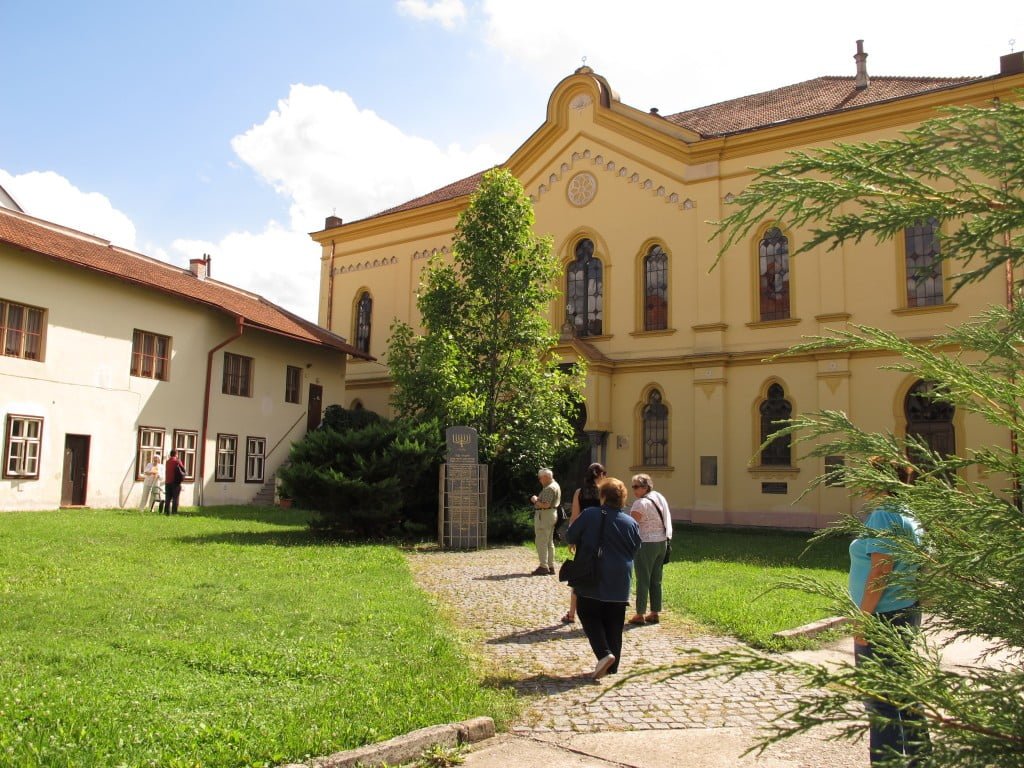
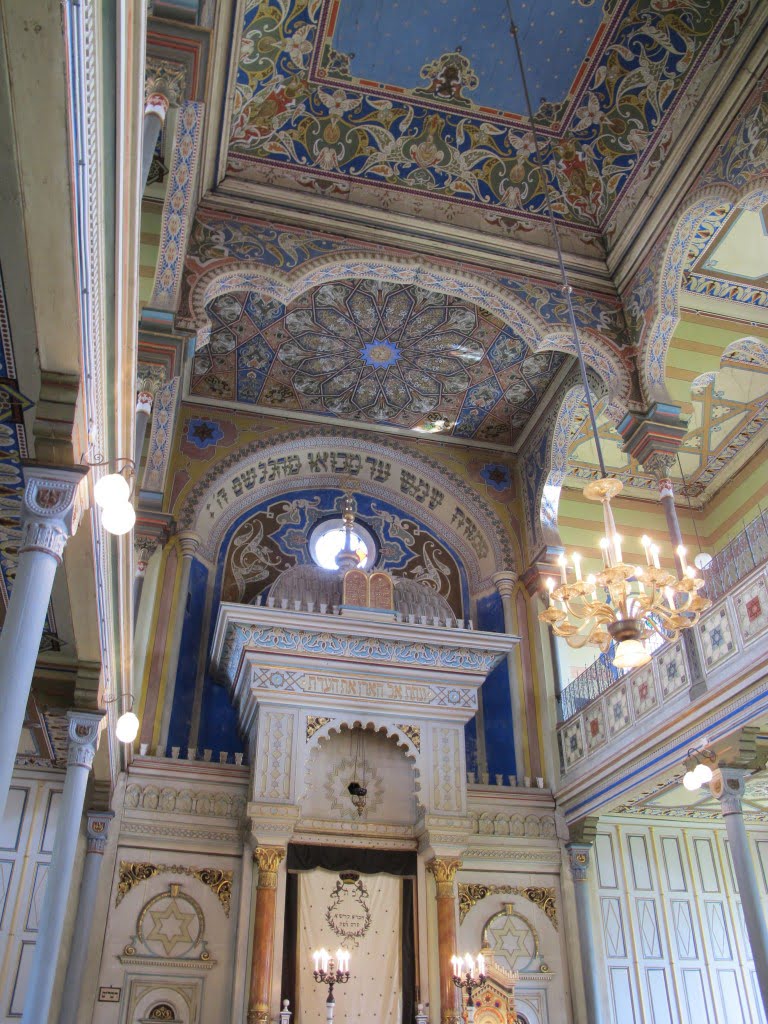
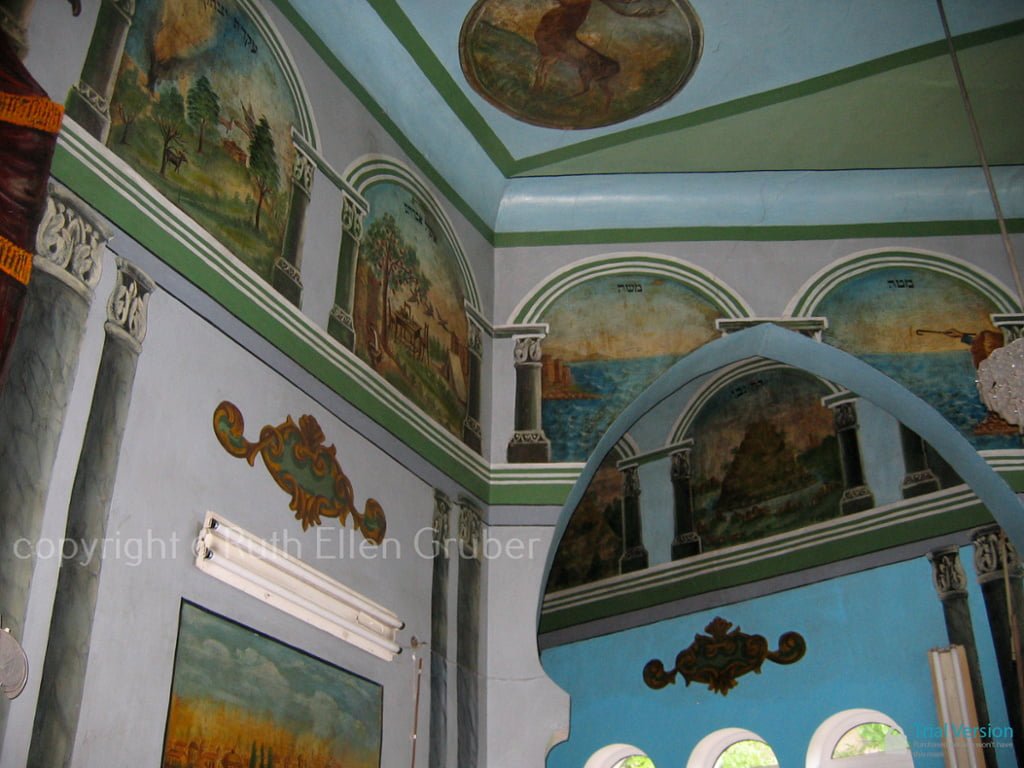
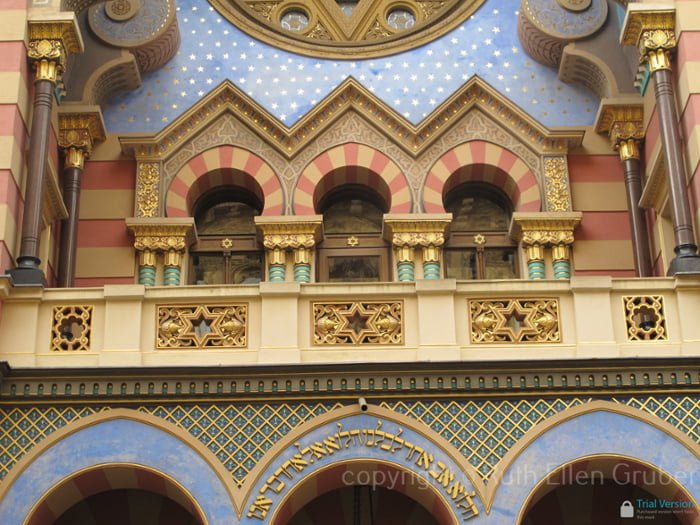
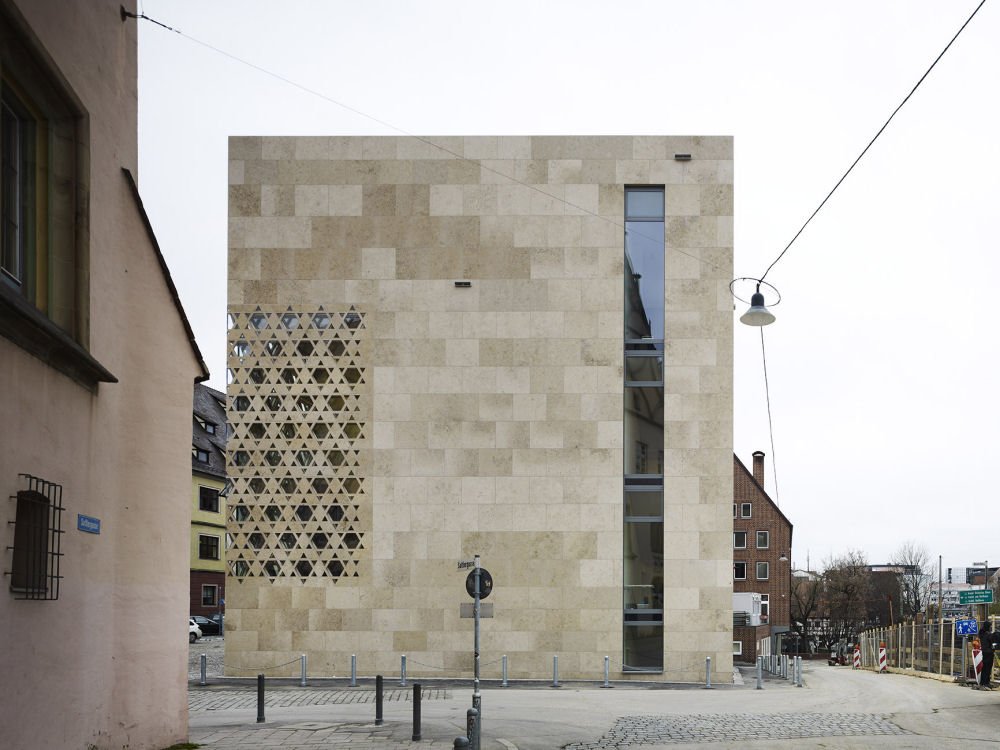
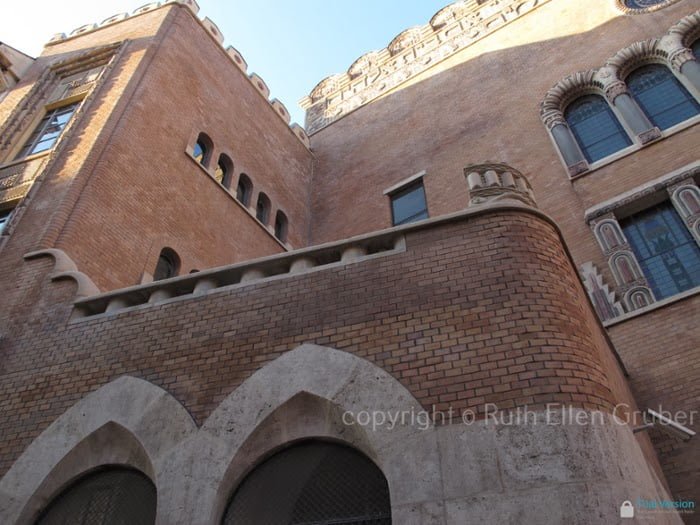
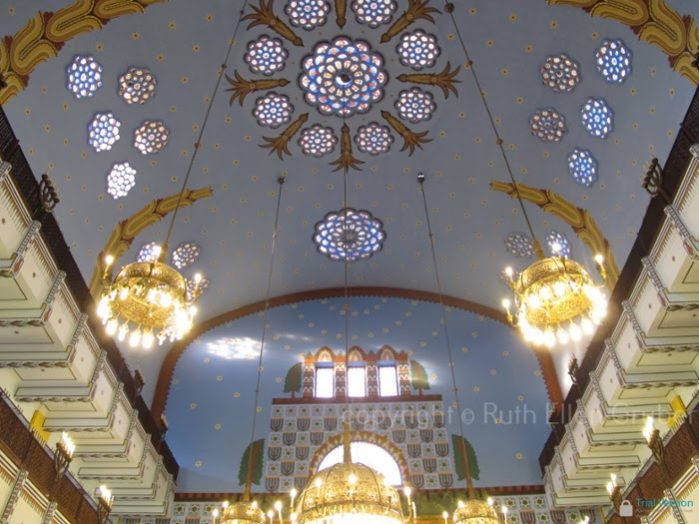
Taking a cue from JHE Coordinator Ruth Ellen Gruber’s post on her Jewish Heritage Travel blog, we have decided to commemorate the anniversary by focusing on survival and rebuilding — posting pictures of glorious synagogues that have been rebuilt, restored, and even newly built, creating dynamic living spaces for Jewish communities and society at large.
Readers of Jewish Heritage Europe are aware of the many, many synagogue restoration projects under way across Europe — and are also aware of the financial problems faced by Jewish communities, NGOs, civic authorities and individuals in carrying them out.
We urge readers to support these restoration projects. Besides being — often — important architectural monuments, these buildings embody powerfully important statements of history, culture, revival and rebirth.
Most of the synagogues shown here are used for Jewish worship. Others have been restored and converted for cultural use but still retain their identity. The use of glass in the new buildings makes an especially telling answer to Kristallnacht, no?