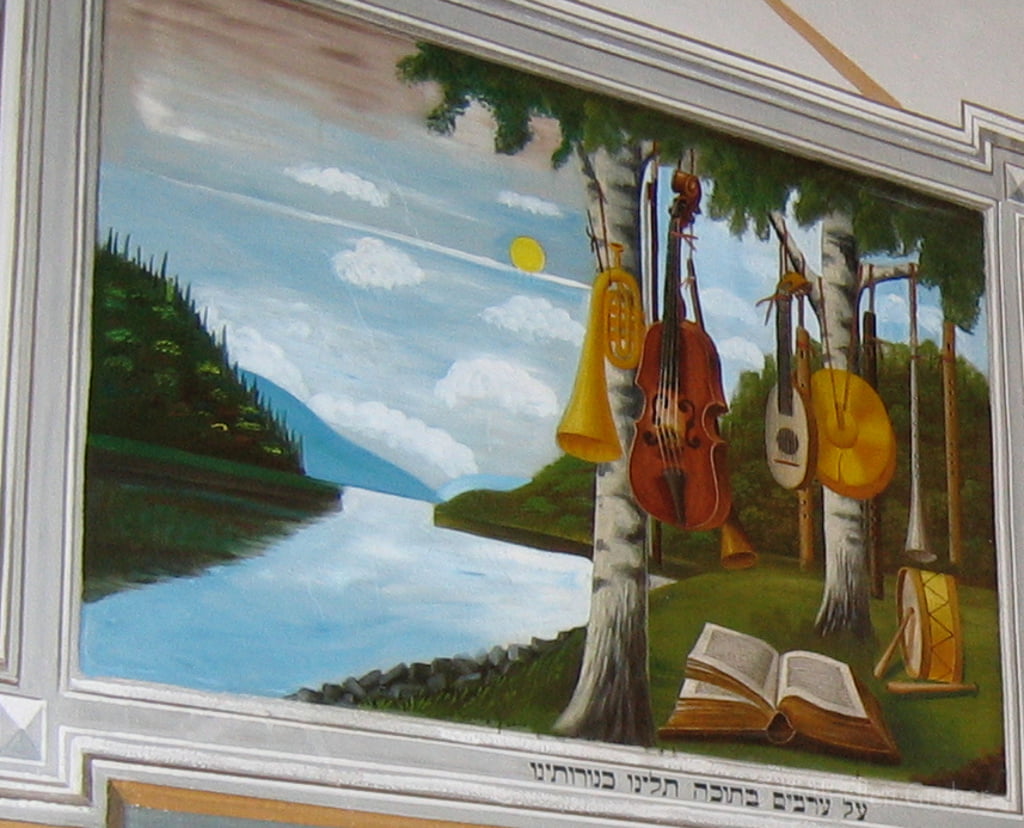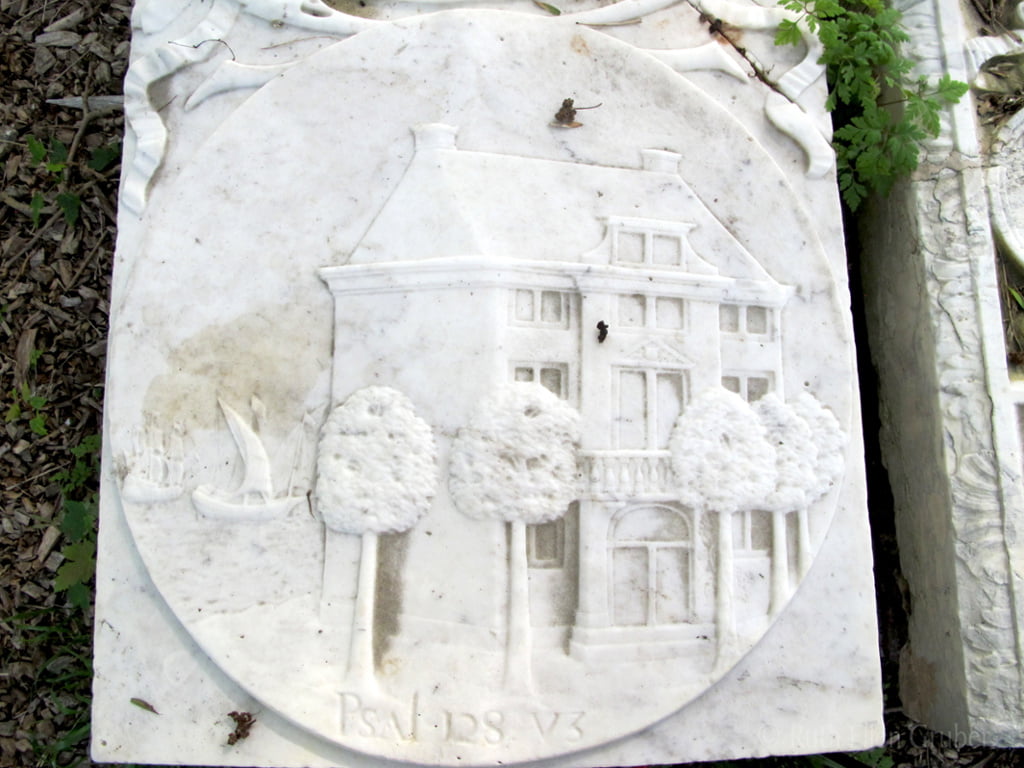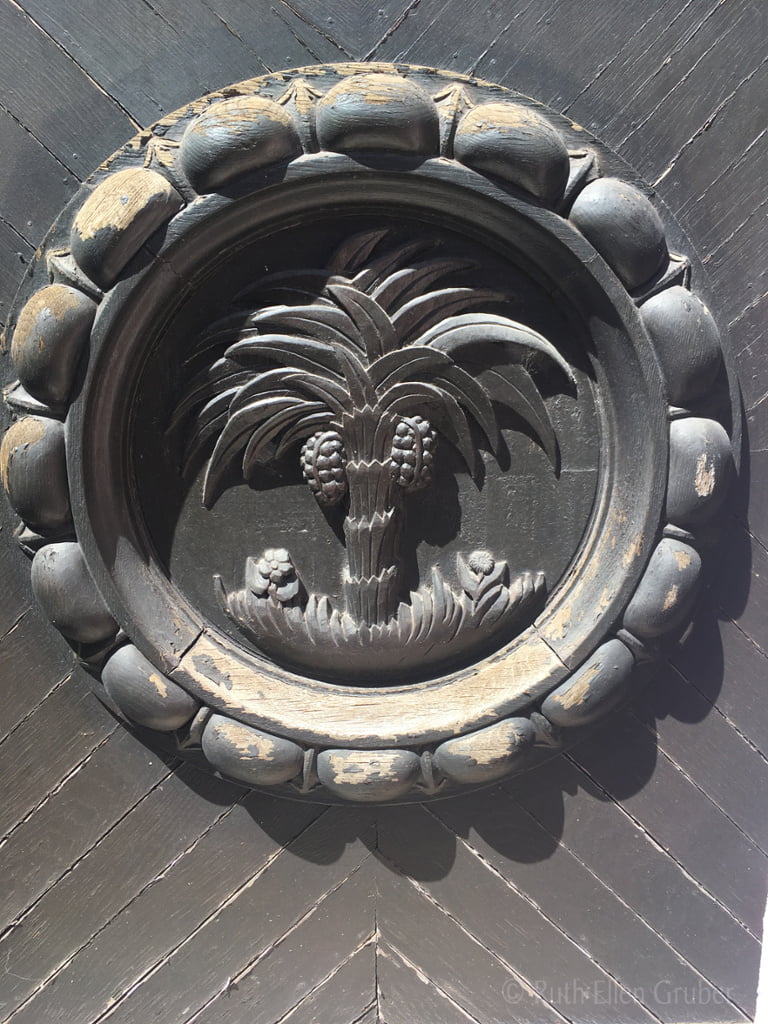
Tu B’Shvat — the 15th of the Hebrew month of Shvat — begins tonight. It is known as “the New Year for Trees:” the time of year when the earliest-blooming trees in the land of Israel start to flower. It is the custom to reflect on our relationship with nature and to enjoy fruit, especially the olives, dates, grapes, figs, and pomegranates that are named in the Torah.
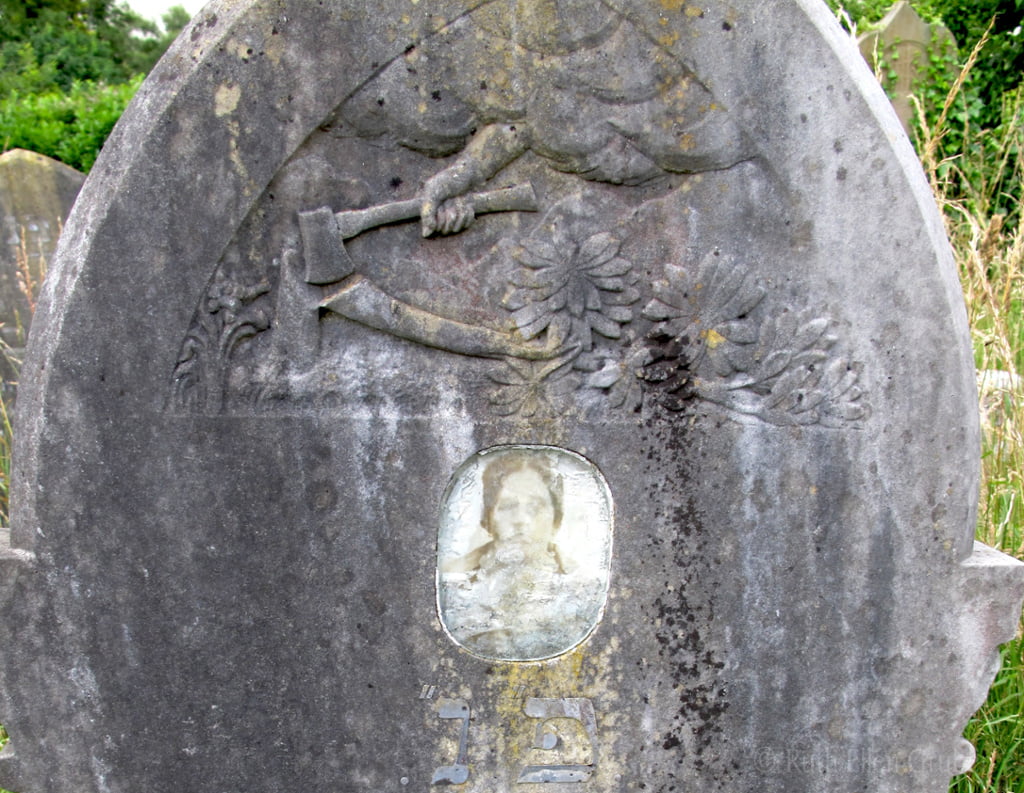
At JHE we mark the holiday each year with photos that show how images of fruit and trees figure in to Jewish decorative art: in synagogues, on gravestones, and as part of ritual objects.
For example, pairs of Torah scroll ornaments, or finials, are called rimmonim — meaning pomegranates. Pomegranates are symbols of abundance, and figuratively of the Torah (and some rimmonim mimic the round pomegranate shape).
Trees can serve as powerful symbols for life — with trees that are cut, or that are being cut, representing death.
On gravestones, thus, the Tree is often shown broken, branchless, or cut down, but we also see images evoking the Tree of Life — Etz Chaim, whose roots and branches can morph into the image of a menorah, symbol of Judaism.